ntroduction
We spend most of our lives inside our homes — sleeping, eating, resting, connecting. Yet few people realize how much their home shapes their health. The way air moves, the light falls, and materials breathe all affect how you feel.
Wellness design is the art of building spaces that care for you. It’s not a passing trend; it’s the future of homebuilding — a philosophy that blends science, nature, and empathy into every wall, window, and finish.
The foundation of wellness
At its core, wellness design begins with the unseen. A home’s true luxury lies in the air you breathe, the comfort you feel, and the calm you return to each day.
Healthy homes prioritize:
- Balanced ventilation that keeps air clean and humidity controlled.
- Low-toxin materials that support long-term health.
- Natural light that lifts energy and mood.
- Quiet spaces that let the mind rest and recover.
Each detail may seem small, but together, they shape a life that feels better lived.
Light, rhythm, and restoration
Our bodies are built to follow the sun. Morning light signals energy; evening light invites rest. Homes that follow this rhythm support natural sleep cycles, reduce fatigue, and even improve emotional wellbeing.
Incorporate light intentionally: position windows eastward to capture the morning, add dimmable warm light for evenings, and keep bedrooms shaded for deep rest. Light isn’t just design — it’s medicine.
The emotional dimension of wellness
A healthy home feels safe. It gives permission to slow down and feel grounded. Emotional wellness in design means considering how each room influences your state of mind:
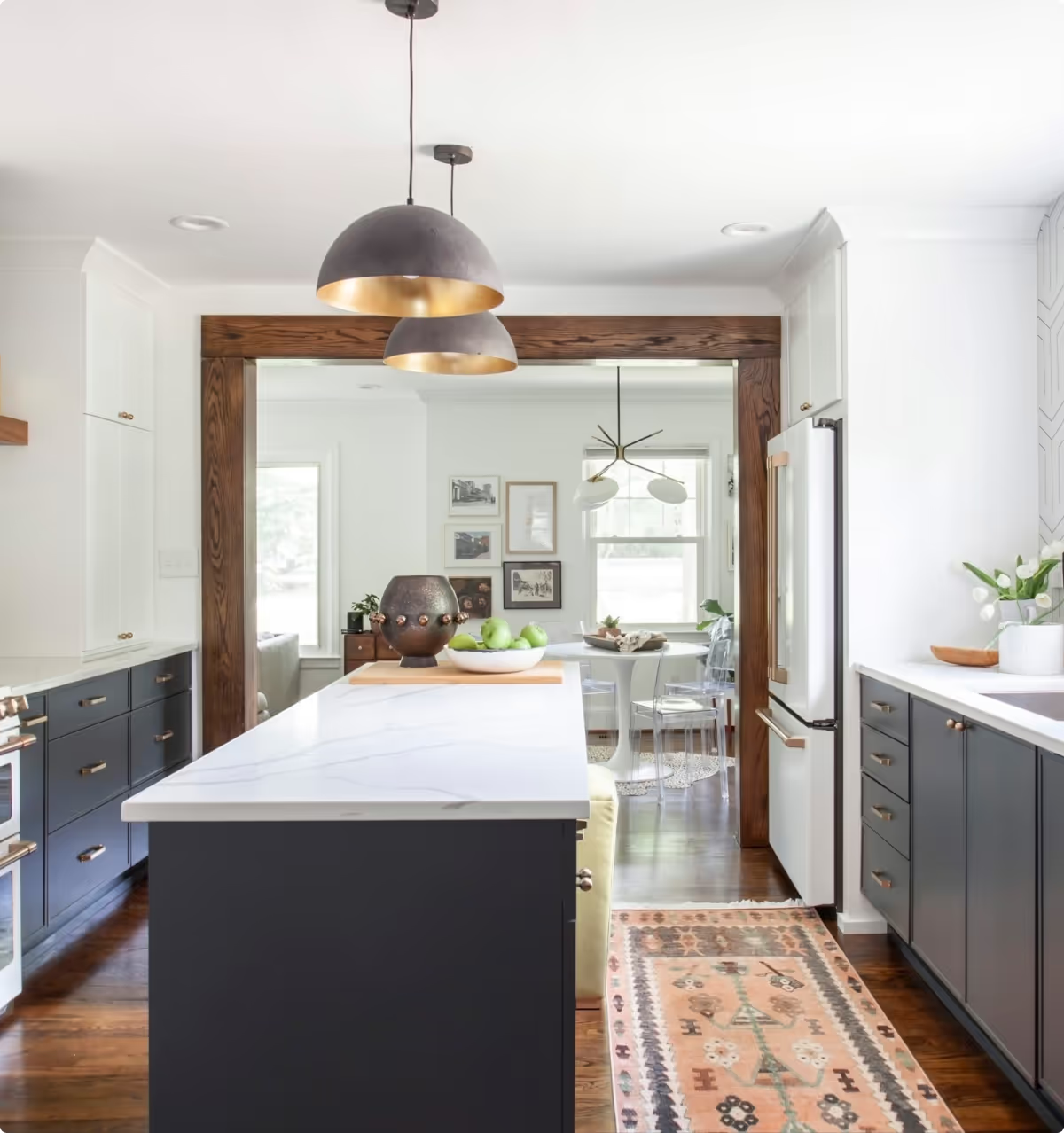
- Kitchens that encourage gathering.
- Bedrooms that cocoon and protect.
- Bathrooms that restore and revive.
It’s not about perfection — it’s about creating places that reflect how you truly live and what makes you feel whole.
Nature as a design partner
Biophilic design — the practice of integrating nature into architecture — has proven health benefits. Natural textures, greenery, and views of outdoor spaces calm the nervous system and reduce anxiety.
Think of:
- Wood under your feet.
- Plants near your windows.
- Fresh air circulating freely.
When the boundaries between indoors and outdoors blur, a home begins to heal.
Everyday wellness for every home
You don’t need a total renovation to live better. Start small: open your windows, switch to low-VOC cleaners, bring in natural fibers, and reduce clutter.
Wellness grows through awareness — through the realization that a healthy home isn’t something you buy; it’s something you build, one intentional choice at a time.
Conclusion
Homes that heal aren’t louder, larger, or flashier. They’re quieter, more grounded, and profoundly personal.
A well-designed home isn’t just where you live — it’s how you live. And when wellness is built into every detail, your home becomes what it was always meant to be: a sanctuary for life itself.

.jpg)